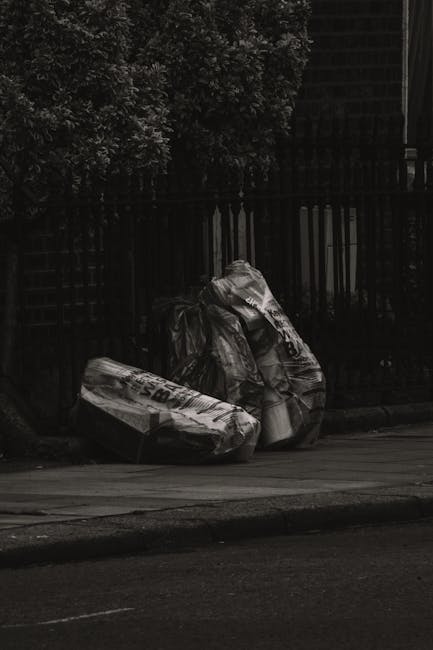
Avoid hidden rubbish removal costs in Chelsea
Posted on 26/08/2026

Avoid hidden rubbish removal costs in Chelsea: a practical guide to clear pricing and fewer surprises
Hidden fees can turn a simple rubbish collection into a surprisingly expensive job. If you are trying to Avoid hidden rubbish removal costs in Chelsea, the good news is that most of the surprises are preventable with a bit of know-how and a few careful questions. Chelsea properties can be tricky at the best of times: basement flats, narrow access, resident parking constraints, lift restrictions, and the occasional "it's only a few items" job that grows into a full load once you start lifting boxes. Sound familiar?
This guide breaks down how rubbish removal pricing usually works, where extra charges tend to appear, and how to compare services without getting pulled into vague quotes or last-minute add-ons. You'll also find a checklist, a comparison table, and a realistic example so you can book with more confidence and fewer nasty surprises. Let's face it, nobody wants to negotiate price while standing on the pavement next to a pile of old furniture at 7:30 in the morning.
Why hidden rubbish removal costs in Chelsea matter
In Chelsea, rubbish removal is rarely just about lifting items into a truck. The real cost often depends on access, time, waste type, loading distance, parking, and whether the waste needs sorting before it leaves your property. When those things are unclear at the quoting stage, "cheap" can become expensive in a hurry.
Why does this matter so much here? Chelsea homes and businesses often sit in locations where logistics are a little awkward. A terraced house near the road is one thing; a top-floor flat with no lift, tight stairs, and a parking challenge is another. If the company has to spend longer loading or make extra handling trips, many will add charges. That is not always unreasonable. The issue is when those charges are not explained properly before the job starts.
Hidden rubbish removal costs usually show up in a few ways:
- unexpected labour charges for stairs or long carries
- extra fees for heavier items such as appliances or wet waste
- parking or congestion-related add-ons
- surprise minimum-load rules
- charges for mixed waste that was not declared upfront
- extra disposal fees for certain materials
That last one catches people out more than they expect. A sofa, a mattress, and a broken chest of drawers might seem straightforward, but if one item is contaminated, especially heavy, or listed as a separate disposal category, the quote may change. Better to know early than have that awkward conversation at the kerbside.
If you are also dealing with furniture or property clearance as part of a move, you may find it helpful to read how to donate unwanted furniture during a move or list and sell property in Chelsea. Both can reduce the amount you need removed in the first place, which is often the simplest way to keep costs under control.
Key takeaway: the best way to avoid hidden rubbish removal costs is to make the job as clear as possible before collection day: clear item list, clear access details, clear timing, clear disposal needs.
How rubbish removal pricing usually works
Most rubbish removal companies price jobs based on a combination of load size and job complexity. That sounds simple, but in practice it can be a bit more layered. A small pile of waste in a front garden is not the same as the same pile on the third floor of a mansion block with no lift and no parking. Obvious, really, but easy to overlook when you are rushing.
Here is the basic pricing logic you will usually see:
- Volume or load size: how much space the waste takes in the vehicle.
- Weight: especially important for dense waste, rubble, soil, and appliances.
- Manpower: more hands may be needed for heavier or awkward items.
- Access: stairs, distance from property to vehicle, and lift availability can all matter.
- Waste type: general household rubbish, builder's waste, garden waste, furniture, white goods, or office items can be treated differently.
- Time on site: jobs that take longer than expected may move out of the original estimate.
Some companies quote a fixed price after you provide photos and a good description. Others offer an estimate and confirm the final price after arrival, once they can see the waste and access conditions. Neither approach is automatically bad. What matters is whether the pricing method is explained in plain English.
In Chelsea, a trustworthy quote should normally reflect the real logistics, not just the pile of rubbish itself. For example, a wardrobe removal from a basement flat with difficult stairs may reasonably cost more than a similar job from a ground-floor property. The issue is transparency, not the existence of different prices.
If you want to understand how a provider frames its service offer more generally, the services overview is a useful place to start, because it helps you see what is and is not included before you book.
Key benefits and practical advantages
Transparent pricing is not just about saving money. It also saves time, stress, and those annoying moments when you feel trapped into agreeing to something you did not fully understand. And honestly, that peace of mind is worth a lot when you are already juggling a move, a refurbishment, a tenancy change, or an office clear-out.
The biggest practical benefits are:
- Better budgeting: you know the likely total before the job begins.
- Less stress: no last-minute negotiation while items are already being loaded.
- Faster decision-making: you can compare providers more accurately.
- Cleaner job planning: you know what needs to be separated, moved, or prepared.
- Fewer disputes: clear expectations reduce awkward surprises.
There is also a sustainability angle. If you sort items properly, you may be able to reduce disposal volume by donating, reusing, or recycling some of what you no longer want. That can be a real money-saver, and it is just better practice. The more waste that can be diverted appropriately, the less unnecessary transport and disposal work gets bundled into one oversized job.
For more on responsible disposal and sorting, see recycling and sustainability. And if your load includes furniture rather than mixed junk, furniture removal in Chelsea and furniture disposal in Chelsea are both relevant services to compare against a general rubbish collection.
Who this is for and when it makes sense
This advice is useful for almost anyone booking waste clearance in Chelsea, but it is especially relevant if you are in one of these situations:
- moving home and clearing out unwanted items quickly
- renovating a flat or townhouse and dealing with mixed debris
- clearing a loft, cellar, or storage room with awkward access
- disposing of old furniture, appliances, or white goods
- handling garden waste after pruning, landscaping, or end-of-season tidying
- managing office or commercial waste on a deadline
- booking a one-off collection and wanting the price to stay exactly as expected
It also makes sense if you are comparing quotes from several companies and one is much cheaper than the others. Sometimes that means they are more efficient. Sometimes it means the quote is missing something. A suspiciously neat price can be a red flag if there is no mention of access, labour, or disposal classification. To be fair, a low number on a screen is only useful if it holds up in the real world.
Residents dealing with larger clearances may find the broader service pages helpful too, especially house clearance in Chelsea, loft clearance in Chelsea, and office clearance in Chelsea.
Step-by-step guidance for avoiding extra charges
If you want a cleaner quote and fewer surprises, follow a simple process. Nothing fancy. Just disciplined, practical prep.
- List everything clearly. Don't say "a few bits and pieces" if you really mean a sofa, two desks, a mattress, some bags, and a shelf unit. Say exactly what is there.
- Take photos in good light. One wide shot and a couple of close-ups usually help. If it is raining, wait if you can. Wet waste can change the picture.
- Explain access. Mention stairs, lifts, restricted entrances, loading distance, and whether the vehicle can park nearby.
- Identify special items. Appliances, fridges, freezers, mattresses, rubble, soil, paint, or anything bulky should be flagged early.
- Ask what is included. Labour, loading, disposal, parking, VAT, and waiting time should all be clear before booking.
- Confirm the price basis. Is it fixed, estimated, or subject to final inspection? Know which one it is.
- Check collection conditions. If you need same-day or timed arrival, ask whether that changes the cost.
One very practical tip: if you are clearing a flat in Chelsea, stand at the front door and imagine the route from your items to the truck. Any awkward corner, door frame, stair flight, or parking issue should be mentioned. The more honest you are early on, the more likely the price will stay stable. It sounds obvious, but lots of people skip that step and then wonder why the quote moved.
For neighbourhood-specific planning, the guides on rubbish removal on Kings Road, booking rubbish collection near Sloane Square, and waste removal tips for Fulham Road properties may help you think through local access realities.
Expert tips for better results
After years of seeing rubbish jobs go smoothly or go sideways, the difference usually comes down to preparation and clarity. Here are the habits that tend to save money.
- Separate reusable items from true waste. Anything that can be donated or sold should be removed from the waste pile before quoting.
- Break down bulky items where safe. Flat-pack frames, unscrewed shelves, or dismantled table legs can reduce volume.
- Keep the waste area tidy. If items are scattered across multiple rooms, the job takes longer and may be priced accordingly.
- Be honest about heavy material. Builders' rubble, tiles, and soil are not the same as general household clutter. They are heavier, messier, and usually priced differently.
- Ask for written confirmation. Even a short email or message summarising what has been agreed can be useful.
- Choose a provider that explains compliance clearly. It is not just about price; it is about where your waste ends up and whether it is handled properly.
One small but useful habit: keep a note on your phone with item counts. "1 sofa, 2 chairs, 1 wardrobe, 6 bags, 1 microwave." That kind of list makes quoting much easier. It also stops the classic "oh, there's actually another pile in the spare room" moment, which, as you can imagine, tends to shift the price.
If you want to understand what responsible operators should be able to explain, the page on waste carrier licence and compliance is worth a look. It helps frame the right expectations around lawful disposal.

Common mistakes to avoid
Most hidden cost problems come from a handful of predictable mistakes. The good news? They are easy to avoid once you know them.
- Getting a quote from memory. People often underestimate the amount of waste. That is natural, but it can skew the price badly.
- Not mentioning access issues. A basement flat is not the same as a ground-floor load-out. The company needs that information.
- Assuming all waste is treated the same. General rubbish, furniture, builders' waste, and appliances can all sit in different pricing brackets.
- Ignoring parking and timing constraints. Chelsea streets can be awkward. If a vehicle cannot stop close by, the quote may change.
- Choosing only on headline price. Cheapest on paper is not always cheapest in the end.
- Forgetting about mixed contents. Hidden mattresses, old TVs, paint tins, or rubble can create price changes if they were not declared.
Another common one is booking before you have decided what stays and what goes. That leads to a moving target. If you are in the middle of decluttering, wait until the pile is settled. Otherwise the quote is built on shifting sand, and nobody enjoys that.
Tools, resources and recommendations
You do not need complicated software or a spreadsheet library to book rubbish removal properly. A few simple tools are enough.
- Your phone camera: take clear photos from a few angles.
- A notes app: list item types, counts, and anything awkward to move.
- A tape measure: helpful for oversized furniture, mattresses, or awkward wardrobes.
- A quick room scan: walk through the property before booking to catch forgotten storage areas.
- Service pages and policy pages: use them to check what the company says about pricing, payment, safety, and service scope.
For a more rounded view of how a provider presents itself, these pages can be useful: pricing and quotes, payment and security, insurance and safety, and about us. They are not just legal fine print; they help you understand whether the business is set up in a sensible, professional way.
Also, if you are comparing broader collection options, the pages for rubbish collection in Chelsea and waste removal in Chelsea can help you decide whether you need a one-off load clearance or a more general service.
Law, compliance, standards and best practice
When rubbish is removed from your property, it should be handled by a lawful carrier who can explain what happens to the waste afterward. In the UK, that usually means checking carrier registration, good disposal practice, and responsible transfer of waste to approved facilities. You do not need to become an expert in the rules, but you should expect the company to be able to speak clearly about compliance.
Why does that matter to your cost? Because non-compliant disposal can lead to problems later, including poor service standards, unclear pricing, and the risk that your waste is not managed properly. A quote that seems unusually low can sometimes be low because corners are being cut somewhere. Not always, but enough to be worth asking about.
Best practice usually includes:
- clear item description before collection
- transparent explanation of any extra labour or access fees
- proper handling of recyclable and non-recyclable materials
- upfront communication about special waste types
- fair treatment of customers, including payment clarity and itemised expectations where appropriate
There are also ethical considerations. If a provider is sorting, transporting, and disposing of waste, they should be doing so responsibly and without hidden pressures on the customer. For that reason, it is worth reading practical policy pages such as modern slavery statement, terms and conditions, privacy policy, and cookie policy if you want a fuller picture of how the business operates. Bit dry, yes. Still useful.
Options, methods, or comparison table
If you are comparing your options, it helps to separate them by clarity, convenience, and how likely they are to produce surprise charges. Not every solution is right for every job.
| Option | Best for | Possible hidden cost risk | Typical advantage |
|---|---|---|---|
| General rubbish removal | Mixed household items and bags | Medium if item list is unclear | Convenient for one-off clearances |
| Furniture-specific removal | Sofas, tables, wardrobes, beds | Lower if items are described accurately | Better suited to bulky items |
| House clearance | Whole rooms, estates, and larger property clear-outs | Medium to high without a proper survey | Efficient for bigger jobs |
| Office clearance | Desks, filing, equipment, and commercial waste | Medium if electronics or mixed waste are involved | Useful for business moves |
| Builders' waste disposal | Renovation debris, rubble, and heavy material | Higher if weight is underestimated | Handles messy post-work clearances |
The main point here is simple: the more specific your waste stream, the easier it is to avoid pricing surprises. A mixed bag of everything tends to be the hardest job to quote cleanly. A more defined load usually means a more stable price.
Case study or real-world example
Here's a realistic Chelsea scenario. A couple in a third-floor flat near a busy street were clearing out before a sale. They had a sofa, two chairs, a dismantled bed frame, several bags, and an old fridge freezer they had forgotten to mention at first. At quote stage, they said it was "mostly furniture."
Once they added photos, the picture changed. The fridge freezer needed separate handling, the stairs were narrow, and parking was limited. The original estimate would have been too low if the job had been accepted blindly. Instead, the provider adjusted the quote before arrival, and the couple was able to decide whether to proceed, remove the fridge separately, or delay part of the job. Not glamorous. But far better than an argument by the hallway with boxes everywhere.
What made the difference?
- they sent pictures rather than relying on memory
- they disclosed the fridge freezer before collection day
- they explained the access route clearly
- they asked for a final confirmation before booking
The result was not the cheapest possible quote, but it was a fair one. And that is really the aim here: not bargain-hunting at any cost, but a proper price that stays proper.
If your situation involves a bigger residential move or a more elaborate clear-out, it can also help to explore Chelsea living insights from residents and a local guide to Chelsea's hidden delights. Those articles are not about rubbish pricing directly, but they do help you think through the local environment you are dealing with.
Practical checklist
Use this before you request a quote or confirm a booking.
- Have I listed every item that needs removing?
- Have I included photos from clear angles?
- Have I mentioned stairs, lifts, or awkward access?
- Do I know whether parking is easy or restricted?
- Have I identified bulky, heavy, or special waste items?
- Do I understand whether the price is fixed or estimated?
- Have I asked what the quote includes and excludes?
- Have I checked if any items can be donated, sold, or recycled first?
- Do I know the collection time window and whether that affects the price?
- Have I confirmed payment terms before collection day?
If you can tick most of those off, you are already ahead of the average customer. Seriously. Most surprise charges happen because one or two of those boxes were left blank.
Conclusion
To avoid hidden rubbish removal costs in Chelsea, think like a good project manager for ten minutes before the booking is made. Clarify the waste, clarify the access, clarify the pricing model, and clarify what happens if the job changes slightly on arrival. That simple discipline can save money and stress in equal measure.
In a place like Chelsea, where properties and access conditions vary so much, a transparent quote is not a luxury. It is the baseline. The best service is the one that tells you what is included, what is not, and why. Once you have that, you can compare properly and book with confidence rather than hope.
Get a free quote today and see how much you can save.
And if you take nothing else from this guide, take this: a clear quote is worth more than a cheap headline price. Every time.