Rubbish removal guide for Kings Road Chelsea
Posted on 20/06/2026
If you live, work, or are managing a property near Kings Road, you already know rubbish can pile up faster than you expect. A flat clear-out, a post-renovation mess, broken furniture in a hallway, or boxes from a move can turn into a proper headache by the weekend. This rubbish removal guide for Kings Road Chelsea walks you through the sensible options, the usual pitfalls, and the easiest way to get waste cleared without making the day harder than it needs to be.
We'll cover what rubbish removal actually involves on a busy stretch like Kings Road, how the process works, what to check before you book, and when specialist help makes more sense than a DIY trip to a disposal site. You'll also find a checklist, a practical comparison table, and a few real-world pointers drawn from the sort of situations people face in Chelsea every day.
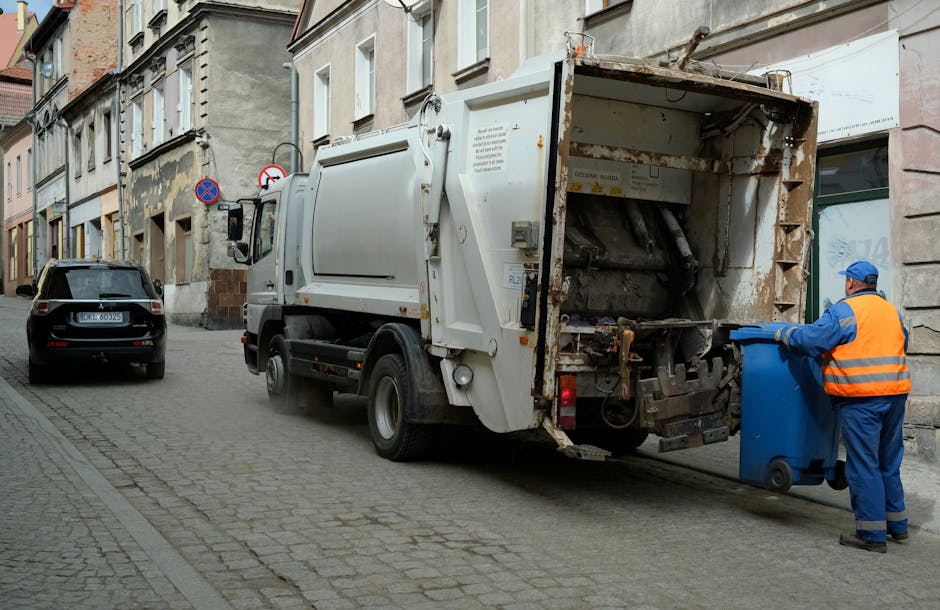
Why Rubbish removal guide for Kings Road Chelsea Matters
Kings Road is one of those London streets where space matters. A small delay in clearing waste can create a larger problem than you'd expect: blocked entrances, awkward stairs, stressed neighbours, and that familiar feeling of "why is this still here?" To be fair, rubbish removal in Chelsea is not just about getting rid of clutter. It's about doing it in a way that respects property access, timing, building rules, traffic, and the people sharing the space around you.
There's also the local practical side. Many homes and premises near Kings Road are in buildings with shared entrances, narrow access points, or limited outside storage. If you've ever tried to shift a bulky wardrobe down a stairwell while someone needs to get past with shopping bags, you'll know the scene. Not ideal.
That is why a clear plan matters. Good rubbish removal saves time, reduces disruption, and helps avoid messy last-minute decisions. It also supports better sorting, recycling, and reuse. In a neighbourhood where many residents care about appearance, convenience, and responsible disposal, it's a small detail that makes a real difference.
For people moving home, refreshing a flat, or clearing out commercial space, the job is often more than a bin bag issue. It can involve furniture, appliances, builders waste, cardboard, and mixed items that need the right handling. That is where a local, organised approach tends to pay off.
Key takeaway: On Kings Road, rubbish removal works best when it is planned around access, volume, item type, and compliance-not just speed.
How Rubbish removal guide for Kings Road Chelsea Works
At its simplest, rubbish removal means collecting unwanted items from your property and moving them for sorting, reuse, recycling, or disposal. The practical steps are usually straightforward, but the details matter. On a road like Kings Road, the important part is making the collection fit the property rather than forcing the property to fit the collection.
Typical rubbish removal starts with identifying what needs to go. That sounds obvious, but it is often where people stumble. A "few bits and pieces" can quickly become half a van once you start opening cupboards or moving furniture. A proper list helps you avoid underestimating the job.
From there, the service may involve:
- a quick description of the waste
- an estimate based on volume, access, and item type
- a collection time arranged around your schedule
- loading, lifting, and sweep-up after removal
- sorting for reuse, recycling, or disposal
For domestic properties, this can include general household rubbish, old furniture, white goods, mattresses, and post-move leftovers. For businesses, it may include office furniture, filing, packaging, and light commercial waste. If the job is part of a bigger clear-out, services such as house clearance Chelsea or office clearance Chelsea can be more suitable than a simple one-off collection.
A useful thing to remember: not all rubbish is equal. A broken chair, a stack of cardboard, and old plasterboard do not all belong in the same mental bucket, even if they end up on the same booking form. Different waste streams can affect handling and pricing.
If you want a broader overview of the kinds of services that usually sit around local rubbish collection, the services overview gives a helpful starting point. It is a neat way to see where rubbish removal ends and more specific clearance services begin.
Key Benefits and Practical Advantages
People usually think about rubbish removal as a convenience service, and yes, it is that. But the real value is broader than saving you a trip with the car boot open and a flat backseat full of old shelves.
1. It saves time in a very real way
Sorting, lifting, loading, transporting, and disposing of rubbish can eat up half a day or more. On Kings Road, where parking and timing can be awkward, the hidden time cost is even higher. A managed collection reduces the number of moving parts.
2. It reduces stress during life changes
Moving home, renovating, or clearing out a relative's property can be emotionally and physically draining. Having waste removed promptly gives the rest of the project room to breathe. One less thing. Sometimes that is the difference between a decent day and a chaotic one.
3. It supports better sorting and recycling
When rubbish is handled properly, reusable and recyclable items are less likely to be thrown away blindly. That matters for furniture, appliances, and mixed household waste. If you are looking at disposal alongside reuse, the article on donating unwanted furniture during a move is a useful companion piece.
4. It can be cleaner and safer
Loose debris, glass, broken fittings, and heavy objects can cause injuries or damage. A decent clearance service lowers that risk by handling the awkward parts properly. It sounds simple. It is simple. But people still underestimate it.
5. It helps properties look presentable faster
That matters for viewings, lettings, sales, and general day-to-day living. Anyone preparing to list and sell property in Chelsea will know that first impressions are unforgiving. A clear space photographs better and feels more settled.
If you are comparing options, remember that a good rubbish removal decision is not only about cost. It is also about convenience, timing, and whether the job is likely to be done properly the first time.
Who This Is For and When It Makes Sense
This guide is for a fairly wide group of people, but the common thread is simple: you need waste gone, and you want it gone without turning the week upside down.
Homeowners and tenants
Maybe you are clearing a spare room, replacing old furniture, or dealing with a seasonal build-up of clutter. Perhaps you have inherited an item that is too big to move on your own. In those cases, rubbish removal is often the practical middle ground between DIY effort and bigger clearance work.
Landlords and letting agents
End-of-tenancy clearances, abandoned furniture, and leftover rubbish can create delays between occupants. Quick removal helps reset the property for cleaning, maintenance, and viewings. On busy streets, speed matters, but so does discretion.
Business owners and office managers
If you run a shop, studio, office, or practice near Kings Road, waste can build up in bursts rather than gradually. New stock, packaging, old fixtures, desks, or filing cupboards can all stack up quickly. For more structured commercial jobs, commercial waste removal Chelsea is often the better route than treating everything as household rubbish.
People tackling a renovation
Builders waste is a different beast entirely. Offcuts, rubble, tiles, plasterboard, and packaging can require a different approach from domestic rubbish. If your project has crossed into the messy, dusty stage already, builders waste disposal Chelsea may be the more relevant fit.
Anyone who simply does not want to wrestle with heavy items
Honestly, that is reason enough. A washing machine down a tight staircase is nobody's idea of a lovely afternoon.
If your situation involves furniture, the choice between moving it, donating it, reselling it, or removing it can be easier when you read local guidance from the Chelsea living insights from residents and the piece on hidden delights of Chelsea, which together give a better feel for how people actually live and manage space here.
Step-by-Step Guidance
Here is the cleanest way to approach rubbish removal on or around Kings Road without overcomplicating it.
- Identify everything that needs to go. Walk through the space room by room. Be ruthless, but not careless. Separate general rubbish, furniture, appliances, garden waste, and anything that may need special handling.
- Check access and parking reality. Can a vehicle get close enough? Is there a loading bay, side access, concierge desk, or narrow stairwell to plan around? These little details can change how the collection works.
- Decide what can be reused or donated. If an item is still usable, donation or resale may be better than disposal. That is especially true for sturdy furniture and white goods in decent condition.
- Get a clear estimate. Good pricing depends on volume, labour, and item type. If you want to understand how quotations are usually structured, see the site's pricing and quotes information.
- Choose the right service level. A small domestic load may only need collection. A full property clear-out may need a more complete solution such as house clearance Chelsea or loft clearance Chelsea.
- Prepare items safely. Empty drawers, remove loose contents, and keep walkways clear. If you are breaking down cardboard or disassembling furniture, do it before the collection window if possible.
- Confirm what happens after collection. A proper provider should be able to explain how waste is handled, including recycling and responsible disposal.
- Do a final sweep. Once the rubbish is out, check corners, skirting boards, and behind larger items. Dust gathers in odd places. Always does.
The whole process tends to go more smoothly when you do a little prep upfront. Not a huge amount. Just enough to avoid surprises.
Expert Tips for Better Results
A few small choices can make a big difference to the outcome. These are the things people usually only learn after one or two messy clear-outs.
- Group items by type before collection day. That makes it easier to judge the load and reduces the chance of forgotten items sitting in a cupboard for six more months.
- Keep recyclable materials separate where possible. Cardboard, metal, and some wood items are often easier to handle when they are not mixed with general rubbish.
- Measure bulky objects. A sofa that looks manageable in a room can become awkward the moment it meets a staircase or front door.
- Take photos if you are booking remotely. Pictures help show volume and access conditions, which tends to improve the estimate.
- Check item condition before disposal. If furniture can be reused, a local donation route may be smarter. The site's guide to how to donate unwanted furniture during a move is handy for that exact decision.
- Book earlier in the week if you can. It gives you more flexibility if anything changes. Fridays have a habit of getting crowded, naturally.
A small practical note: if you are clearing a flat near Kings Road after tenants leave, try to finish sorting before the cleaners arrive. It sounds obvious, but in real life things get mixed up. A chair might be labelled "keep" and then end up in the corridor anyway. Happens all the time.
Common Mistakes to Avoid
Rubbish removal usually goes wrong for very ordinary reasons, not dramatic ones. That is good news, because ordinary problems are easier to prevent.
Underestimating the amount of waste
This is probably the biggest one. A few visible bags often hide more items in cupboards, under beds, or in storage areas. The job feels smaller than it is until the first pile is moved.
Leaving everything until the last minute
If you are moving, renovating, or hosting, last-minute waste removal can become part of a much larger scramble. You end up making rushed decisions, which is rarely ideal.
Mixing reusable items with general rubbish
Once items are mixed, it is harder to separate them later. If a chair is donation-worthy, keep it apart from broken clutter.
Ignoring access issues
On Kings Road, access is not a footnote. It is part of the job. A collection that looks simple on paper may be awkward if lift access, road space, or building rules are tight.
Assuming all waste can go the same way
White goods, furniture, garden waste, and builders waste can each have different handling needs. For appliance jobs, the specific white goods and appliance disposal Chelsea service is more appropriate than a generic tidy-up.
Not checking the provider's credentials
This matters for peace of mind and for proper disposal. If you are using a clearance company, you should know how they handle compliance and waste transfer. More on that in the next section.
Tools, Resources and Recommendations
You do not need a toolkit the size of a hardware store, but a few practical items help. Here is a sensible shortlist:
- Strong bin bags or rubble sacks for loose waste and small fragments
- Gloves for handling dusty or sharp items
- Tape and marker pens for labelling keep, donate, recycle, and remove
- A tape measure for checking bulky furniture and access gaps
- Basic screwdriver or Allen keys for disassembling furniture
- Phone camera for taking clear photos of the load
For policy and trust information, a few pages on the site are worth reviewing before you book. The waste carrier licence and compliance page is especially useful if you want reassurance about responsible handling. If you are worried about safety or insurance during removal, the insurance and safety information is also worth a look.
For households focused on reuse, the site's recycling and sustainability guidance is a good reminder that not everything has to become landfill just because it is no longer useful to you.
And if you like to understand the company side before committing, the about us page gives a better sense of the people behind the service. No fluff, just a reasonable trust check.
Law, Compliance, Standards, or Best Practice
Waste disposal in the UK is not something to treat casually. You do not need to become a legal expert to arrange a collection, but you should know the basics.
First, waste should be carried and disposed of by a legitimate operator. If you hand over rubbish to someone who cannot show they are properly set up, the responsibility can come back to bite you. That is why documentation and transparency matter.
Second, some items need more careful handling than general household waste. Appliances, mixed construction materials, large furniture, and certain bulky items may require specific treatment. Good practice is to ask in advance rather than assume.
Third, access, loading, and public space should be managed sensibly. On a street like Kings Road, you do not want to create avoidable obstruction. Neighbours, pedestrians, and building staff all matter here. A tidy collection is not just polite; it is the professional way to do things.
Finally, if you are disposing of waste from a renovation, business clear-out, or property changeover, keep records where appropriate and make sure you understand what is being removed. This is especially helpful if a landlord, agent, or building manager needs reassurance afterward.
Good best practice is not complicated. It is mostly about clarity, honesty, and not cutting corners. Simple enough, really, though people still manage to overthink it.
Options, Methods, or Comparison Table
There is more than one way to clear rubbish from a Kings Road property. The right choice depends on volume, urgency, item type, and how much lifting you want to do yourself.
| Method | Best for | Pros | Trade-offs |
|---|---|---|---|
| DIY disposal | Small loads, a few bags, easy access | Low direct cost, full control | Time-consuming, physical effort, parking and transport hassle |
| Local rubbish collection | General mixed waste, moderate volumes | Convenient, quicker than DIY, less lifting for you | May not suit all waste types or larger clear-outs |
| Furniture removal | Bulky items, sofas, wardrobes, beds | Good for heavy objects, efficient handling | Not the best fit if the job includes lots of mixed rubbish |
| House or loft clearance | Whole-room or property-level clear-outs | Most comprehensive, less coordination needed | More involved than a simple collection |
| Specialist disposal | Appliances, builders waste, office waste, garden waste | Better handling for specific waste streams | Needs more accurate sorting up front |
If you are unsure which method fits, think about the scale of the job first, not the label. A "rubbish removal" issue can actually be furniture removal, or a house clearance, or just a very annoying pile of packaging. Labels help, but the waste itself is what decides.
For a closer match to everyday household loads, domestic waste collection Chelsea is often the most natural fit. For heavier furniture-only jobs, furniture removal Chelsea or furniture disposal Chelsea may be more appropriate.
Case Study or Real-World Example
Imagine a typical Kings Road flat before a tenancy changeover. There is a two-seater sofa that has seen better days, a broken coffee table, six bags of mixed household clutter, a defunct microwave, and a stack of cardboard from a recent delivery. Nothing dramatic, but enough to get in the way of cleaning and staging.
The first instinct is often to tackle it in a single heroic effort. You know the type: two trips, a bad back, and a lot of muttering. But a better approach is to sort the waste first. The sofa and table are bulky. The microwave is a white good/appliance item. Cardboard can often be kept separate. The bags may be general rubbish. Once the load is clear, it becomes obvious that the job is not really one thing; it is several smaller ones bundled together.
In a case like that, a collection or removal service saves the most time. The access is the next issue. If the building has a narrow stairwell and no easy lift use, the lift-and-carry stage becomes the real job, not the disposal itself. That is why measuring doors, checking with building management, and taking photos can be so useful.
What often surprises people is how much calmer the process feels once the waste leaves the property. The flat looks bigger, the cleaners can work properly, and the next step becomes obvious. You can feel the place reset a bit. Not glamorous, but satisfying.
If you're balancing waste removal with a move or a property sale, the local Chelsea articles can be helpful context too, especially Chelsea investment guide for buying real estate wisely and Chelsea's prime party spots, both of which reflect how this area's homes and spaces are often used in fast-moving, high-standard ways.
Practical Checklist
Use this before you book or carry anything downstairs:
- Identify all items to be removed
- Separate keep, donate, recycle, and dispose piles
- Measure bulky furniture and note access points
- Check whether the waste includes appliances or builders waste
- Confirm lifting points, stairs, lifts, and parking constraints
- Take photos of the load if you need an estimate
- Ask how the waste will be handled after collection
- Prepare walkways and remove personal items from drawers or shelves
- Keep important documents, keys, and valuables aside
- Do a final room-by-room sweep after removal
A simple list like this prevents the "oh, there was one more thing in the airing cupboard" moment. Which, let's be honest, happens more often than anyone admits.
Conclusion
Rubbish removal on Kings Road Chelsea is easiest when you treat it as a practical project, not a last-minute scramble. Once you understand the waste type, the access, the timing, and the compliance side, the job becomes far more manageable. It is the difference between dragging bags around in frustration and getting the place cleared with a clear head.
Whether you are clearing a flat, handling a move, dealing with office clutter, or sorting out leftover renovation waste, the smart move is to plan the removal around the property and the items, not the other way around. That simple shift saves time, reduces stress, and usually leads to a much cleaner result.
If you are still weighing up what to remove, donate, reuse, or book as part of a broader clearance, take a breath and work through the list slowly. You do not have to solve everything at once. One room, one load, one sensible decision at a time. That is usually enough.
Get a free quote today and see how much you can save.