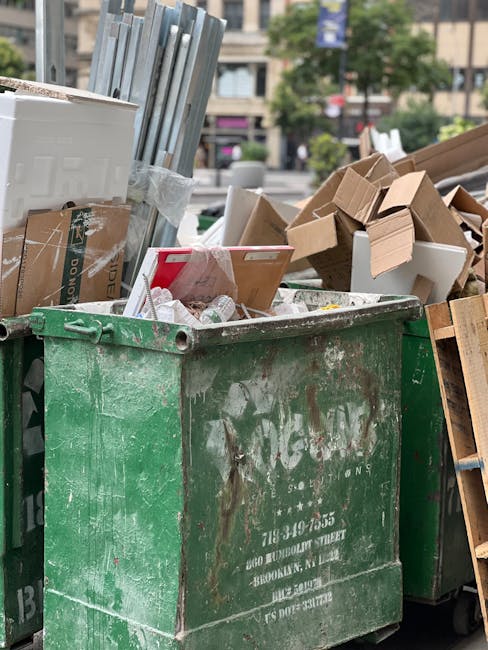
What to know about last minute rubbish collection in Chelsea
Posted on 10/10/2026
If you have a pile of rubbish that suddenly needs shifting, you are not alone. In Chelsea, last minute rubbish collection often happens after a move, a landlord inspection, an office tidy-up, or one of those moments where the flat just cannot cope with another bag by the door. The good news is that fast clearance can be straightforward if you know what to expect, what to prepare, and what to avoid. This guide explains what to know about last minute rubbish collection in Chelsea so you can make a quick decision without getting caught out by poor access, hidden fees, or compliance headaches.
Whether you are dealing with a few awkward items or a bigger clear-out, the key is planning the speed, not the whole month. A bit of preparation goes a long way. And yes, even on a rushed job, the right questions matter.
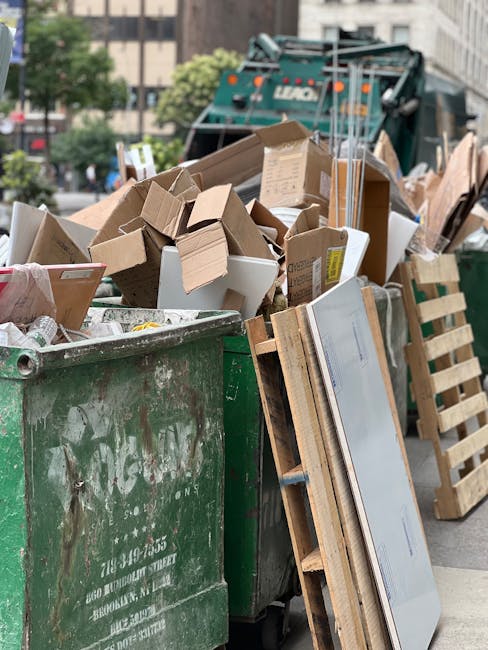
Why last minute rubbish collection in Chelsea matters
Last minute rubbish collection matters because waste has a habit of turning into a problem at the worst possible time. In Chelsea, that can mean tight streets, limited parking, busy building access, and neighbours who do not love a bag cluster outside the front door. If you need things cleared quickly, speed is not the only issue. Reliability, sorting, and proper disposal matter just as much.
There is also a practical side to this. Rubbish can block hallways, delay handovers, create trip hazards, or make a property look unfinished during a move-out or refurbishment. For businesses, it can affect customers and staff. For households, it can make a clean start feel messy. Truth be told, once clutter starts spilling into living space, the whole place can feel heavier.
That is why a same-day or next-day rubbish collection service is often more than a convenience. It is a reset button. If the timing is tight, you want a provider that understands Chelsea's parking realities, knows how to work efficiently, and can tell the difference between general household waste, bulky items, and material that needs special handling.
Expert summary: the best last minute rubbish collection is not simply the fastest one. It is the one that arrives when promised, removes the right items safely, and leaves you with no awkward leftovers to deal with later. Fast and tidy. That is the sweet spot.
For broader service information, it can help to review the services overview and the main rubbish collection Chelsea page before you book.
How last minute rubbish collection in Chelsea works
Most urgent rubbish collection jobs follow a simple flow, although the details can change depending on the load, access, and timing. In plain English, you tell the provider what needs removing, they estimate the vehicle size and labour needed, and then they schedule the collection as soon as possible. Sometimes that means same day. Sometimes next day is more realistic. Let's face it, not everything can be magic.
1. You describe the waste clearly
The first step is giving a clean description of what needs to go. A few black bags is very different from a dismantled wardrobe, builder's rubble, or a fridge that has to be handled separately. If you can, list the item types, rough volume, floor level, and whether there is easy access from the street or courtyard.
2. The job is priced and scheduled
Many collection jobs are priced based on how much waste there is, how long loading will take, and whether the rubbish is mixed, heavy, or awkward. If the job is urgent, the speed may affect availability rather than the waste type itself. You may be offered a morning or afternoon window, or a shorter notice slot if one opens up.
3. The team arrives and loads the waste
On arrival, the team checks the load, confirms access, and removes the waste. In a Chelsea setting, good planning helps here. If the van cannot stop right outside, a bit of carrying may be involved. That is normal. A competent crew will work efficiently without making a racket or causing a mess in the stairwell.
4. The waste is taken for sorting or disposal
Collected rubbish should be sent for appropriate disposal or recovery, depending on the waste type. Reusable furniture may be separated where possible, and some materials can be diverted into recycling streams. If sustainability matters to you, ask how mixed waste is handled before you book.
If you need a specific type of removal, such as heavy household items or office contents, the relevant service page can help clarify the scope. For example, house clearance in Chelsea, office clearance Chelsea, and builders waste disposal Chelsea each involve slightly different handling needs.
Key benefits and practical advantages
Fast rubbish collection is not just about speed for the sake of it. The real value is in what speed allows you to do next. Clear the waste and the rest of the plan can move again. That sounds obvious, but when you are staring at a hallway full of boxes and broken furniture, obvious things become surprisingly precious.
- Less disruption: You can keep a move, refurbishment, or tenancy handover on schedule.
- More space immediately: A small room can feel twice as large once the clutter is gone.
- Reduced stress: The mental relief is real. Clutter has a way of nagging at you.
- Safer walkways: Items removed from stairs, entrances, or shared spaces reduce trip risks.
- Better presentation: Useful for landlords, agents, retailers, and anyone preparing a property.
- Less waste handling on your side: No need to hire a van, lift heavy items yourself, or make multiple trips.
There is also a subtle but important benefit: you avoid the temptation to "just leave it for later." Later often becomes never, and never becomes a bin-store argument. Not ideal.
For people who are clearing out mixed items, waste can sometimes be split across categories. Furniture may go one way, appliances another, and general rubbish elsewhere. Services such as furniture removal Chelsea, white goods and appliance disposal Chelsea, and domestic waste collection Chelsea are often useful when the job is bigger than a few bags but smaller than a full clearance.
Who this is for and when it makes sense
Last minute rubbish collection in Chelsea suits a lot of different situations, and they are not all dramatic. Sometimes it is a pile of packing waste after a move. Sometimes it is a kitchen unit that has to disappear before installers arrive. Sometimes it is a business sorting a back room before Monday morning. The common thread is urgency.
Typical situations where it makes sense
- Moving house: You need bulky waste gone before keys are handed over.
- End of tenancy: A landlord, agent, or tenant wants the property tidy quickly.
- Refurbishment: Builders need space, and debris is getting in the way.
- Office reset: Desks, chairs, packaging, or archive waste need removing fast.
- Appliance replacement: A broken fridge or washing machine cannot sit around forever.
- Garden tidy-up: Branches, soil, and green waste have to go after a burst of work.
In Chelsea, timing also matters because access windows can be narrow. Parking is not always simple, and some buildings have concierge rules, loading limits, or stair-only access. If you wait too long, the job that could have been a 20-minute collection becomes a small logistical puzzle. No one needs that on a Tuesday morning.
For readers dealing with mixed household contents, a more complete clearance may be the better fit. Loft clearance Chelsea and furniture disposal Chelsea can be useful when the job is more about getting space back than shifting a single category of waste.
Step-by-step guidance
If you want the process to go smoothly, the best thing you can do is prepare the job in a way that saves time on arrival. The cleaner the brief, the better the result. Here is a practical approach that works well for urgent collection jobs.
- List everything that needs to go. Be specific. "Old stuff" is not enough. Say bags, boxes, furniture, appliances, cardboard, or garden cuttings.
- Separate anything unusual. Paints, chemicals, batteries, gas bottles, and some electrical items may require special handling. Do not mix them in with general rubbish.
- Check access. Can a van stop nearby? Is there a lift? Are there stairs, narrow hallways, or concierge rules? This matters more than people think.
- Estimate the volume. A single mattress is a very different job from a half-full garage. If in doubt, take a few photos from different angles.
- Ask about the collection window. If the job is truly urgent, ask whether same day or next day is realistic rather than assuming it is.
- Confirm what is included. Will loading, lifting, and disposal all be covered? Are there extra charges for heavy items or difficult access?
- Prepare the waste near the exit if safe to do so. You can save time by grouping items together, but do not block fire exits or make your hallway unsafe.
- Keep your phone handy. On tight jobs, a quick call may be needed if the crew is delayed by parking or access.
One small but useful habit: take photos before and after. It is not glamorous, but it helps if you are juggling a move-out, a landlord check, or a business handover. A tiny bit of evidence can save a bigger headache later. Simple, really.
Expert tips for better results
Here are the practical bits that usually make a rushed collection feel calm rather than chaotic.
Be honest about the volume
If you underestimate the amount of waste, the job may take longer or require a second visit. That is one of the most common reasons a "quick" job drags out. Being slightly conservative with your estimate is smarter than being optimistic and then scrambling.
Photograph awkward items
Photos help the collection team judge weight, access, and labour. A sofa on the ground floor is one thing; the same sofa up three flights of narrow stairs is another. The difference is not dramatic in theory, but in real life it matters.
Separate recyclables where you can
If you can separate cardboard, metal, and reusable furniture, you may make the job easier and potentially improve how much of the load can be recovered. It also gives the crew a quicker visual read on what they are dealing with.
Book earlier in the day if timing is tight
Morning collections usually give you more room to solve surprises. If traffic or access becomes awkward, there is still time left in the day. A late-afternoon panic booking can work, but it is not exactly restful.
Check for special items before collection day
Fridges, mattresses, and construction waste can affect pricing and handling. So can items contaminated with food, soil, or liquids. If you mention these up front, you reduce the chance of delays on site.
Use the right service for the job
A single bulky item, a full house clear-out, and a builders' load are not the same thing. Matching the service to the waste type is one of the easiest ways to avoid overspending or booking the wrong vehicle size.
If you are comparing service types, the following pages may help you narrow things down: garden waste removal Chelsea for outdoor clear-ups, commercial waste removal Chelsea for business waste, and waste removal Chelsea for a broader overview.
Common mistakes to avoid
Urgent rubbish clearance is simple in theory, but small mistakes can make it slower, pricier, or more stressful than it needs to be. The good news is that most of them are avoidable.
- Booking too late: If you wait until the last possible minute, your preferred time slot may be gone.
- Giving vague descriptions: "A few bits and bobs" is not enough for accurate planning.
- Leaving waste in hard-to-reach places: If the crew has to spend extra time hunting for items, the job becomes less efficient.
- Mixing special waste with general rubbish: That can create compliance issues and delays.
- Not checking access: A narrow mews, permit issues, or a locked gate can change the logistics completely.
- Ignoring building rules: Some properties have collection windows or notice requirements. Worth checking.
- Choosing only on price: Cheapest is not always best, especially for urgent work. A low quote with lots of exclusions can turn expensive fast.
One more thing: do not assume the same approach fits every item. A broken wardrobe, a carpet roll, and a pile of renovation rubble each call for slightly different handling. That is normal. The tricky bit is pretending they are all the same.
Tools, resources and recommendations
You do not need a van full of equipment to prepare for last minute rubbish collection, but a few simple tools help a lot.
- Strong bin bags or rubble sacks: Useful for loose household waste and lighter materials.
- Labels or marker pens: Helpful if you want to separate keep, donate, recycle, and remove piles.
- Phone camera: Quick photos make quoting and scheduling easier.
- Work gloves: Especially useful if you are moving items into one area before collection.
- Trolley or sack truck: Only if you already have one and are moving heavier items safely.
- Measuring tape: Handy for large items so you can describe them more accurately.
For people trying to reduce waste before collection, donation and reuse can be worth considering. If you are moving and some items are still usable, you may find the guide on donating unwanted furniture during a move helpful. It is a good reminder that not everything bulky has to end up as waste.
Pricing clarity is another practical tool, even if it is not a physical one. Before you agree to a rushed collection, take a look at pricing and quotes so you know what kind of information is usually needed. And if payment method or security matters to you, there is also the payment and security information page.
For anyone wanting to understand how the company approaches responsible disposal, the recycling and sustainability page is a sensible read.
Law, compliance, standards, or best practice
Waste removal in the UK is not just about getting things away from the property. It also involves proper handling, responsible transfer, and working with a licensed carrier. You do not need to become a compliance expert, but you should know the basics.
When arranging a collection, it is sensible to check that the company holds the relevant waste carrier licence and follows recognised disposal practices. That matters because once waste leaves your property, you want confidence it is being handled lawfully. Using the wrong operator can create headaches later, and nobody wants that sort of surprise.
Best practice also means being careful with restricted items. Some waste streams need separate handling, and certain materials may not belong in a standard mixed load. This is especially relevant for electrical appliances, builders' waste, and anything that could be considered hazardous or awkward to transport safely.
Safety matters too. Heavy lifting, sharp edges, broken glass, and awkward stairwells can all create avoidable risks. A good team will load carefully, protect the property where needed, and work in a way that does not leave a trail of damage behind. That is not a luxury. It is the baseline.
If you want to understand how the business handles these obligations, review the waste carrier licence and compliance information, along with the insurance and safety page. These pages are especially useful if you are arranging clearance for a landlord, building manager, or business property.
For domestic and commercial sites alike, a simple rule applies: clear communication at booking stage usually prevents most compliance mistakes. It is not glamorous, but it works.
Options, methods, or comparison table
If you need rubbish gone quickly, you usually have a few routes to choose from. The right one depends on the amount of waste, how urgent the job is, and whether items are bulky, mixed, or specialised.
| Option | Best for | Pros | Watch out for |
|---|---|---|---|
| Same-day or next-day collection | Urgent household or mixed waste | Fast, convenient, minimal effort on your side | Availability may be limited during busy periods |
| Bulky item removal | Sofas, mattresses, appliances, wardrobes | Good for single-item or small-load jobs | Some items need specific handling or extra labour |
| House clearance | Multiple rooms, moving, probate, end-of-tenancy | Efficient for bigger clear-outs | May be more than you need for a small rubbish pile |
| Builders' waste disposal | Renovation debris, offcuts, rubble | Suited to heavier and messier loads | Mixed waste can change pricing and loading time |
| Commercial clearance | Offices, shops, and business premises | Useful for back-room clean-outs and operational resets | Timing may need to fit opening hours or access rules |
In practice, the best choice is often the simplest one that matches the waste. If you are clearing a home office, for instance, you may need a mix of domestic waste collection and office clearance rather than one broad guess. That small bit of accuracy can save time and money.
For local context and nearby reading, the guide on booking rubbish collection near Sloane Square is useful, as is the rubbish removal guide for Kings Road if your property sits in a busy access corridor. Chelsea is not one-size-fits-all, and the street you are on can change the logistics more than people expect.
Case study or real-world example
Here is a realistic scenario. A resident in Chelsea is due to hand back keys the next morning after a move. The flat has a broken chair, several bags of packaging, an old microwave, and a few awkward bits from the wardrobe that were not worth keeping. The lift is tiny, the road outside is busy, and there is not much time.
The easiest route in a case like this is to group the waste by type, take photos, and book a collection with a clear time window. The team arrives, confirms access, loads the rubbish, and takes the mixed waste away in one visit. Because the items were ready and described properly, the job stays quick. No drama. No extra trips. And the empty room suddenly feels much more manageable.
That is the real value of a well-planned last minute rubbish collection. It is not just about "getting rid of stuff." It gives you breathing room when everything else is already moving fast. A small thing, maybe, but a powerful one.
A similar approach works for small offices, especially when desks, packaging, and old equipment have to be cleared before a refit. If you need more of a business-focused service, office clearance Chelsea and commercial waste removal Chelsea are the right places to compare options.
Practical checklist
Use this quick checklist before you book. It keeps the process surprisingly calm.
- List every item or waste type that needs removing.
- Check whether anything is hazardous, restricted, or unusually heavy.
- Take clear photos from more than one angle.
- Confirm access details: stairs, lift, parking, concierge, gate codes.
- Measure large items if you are unsure of size.
- Decide whether you need same-day or next-day collection.
- Ask what is included in the quote.
- Prepare the items near the exit only if it is safe to do so.
- Separate anything you want to keep, donate, or recycle.
- Keep your phone nearby in case the crew needs quick directions.
Quick takeaway: the more accurately you describe the waste, the less likely you are to get delays, pricing confusion, or a vehicle that is not quite right for the job.
Conclusion
What to know about last minute rubbish collection in Chelsea comes down to three things: clarity, timing, and trust. If you can describe the waste properly, check access in advance, and choose a service that matches the job, the whole process becomes much easier. That is true whether you are clearing a flat, an office, a garden, or a building site.
Chelsea has its own practical quirks, from parking to property access, so a rushed booking works best when the provider understands those local realities. Be precise, ask direct questions, and do not be afraid to slow down for one minute just to speed up the rest of the day. A calm decision now can save you a lot of hassle later.
Get a free quote today and see how much you can save.
And if you are standing in the middle of a room wondering where to start, start with the rubbish. That first clear space has a funny way of making everything else feel possible.